
Journal
Hip dysplasia in shepherd dogs
The first signs of hip dysplasia in a shepherd are often subtle: a dog that rises slowly after rest, shifts weight off a back leg, or bunny-hops when it runs.
A magazine about everyday heart health
Prevention that fits an ordinary week, food without miracles, walking that counts, sleep that protects, and the words of cardiology translated into plain English, with public sources cited on every page.
Health notice: This page is informational content, not medical advice. It cannot replace care from a qualified clinician and it never addresses one person's situation.
The doors of the magazine
Pick the door that matches the question: mechanics first, prevention second, then the plate, the sidewalk, the quiet hours, and the notebook behind it all.

First readings
The heart explained the way a curious friend would explain it: what the pump does, what a pulse is, what the famous numbers measure.
Before anything happens
Prevention is the part of heart health that works best when nobody notices it.
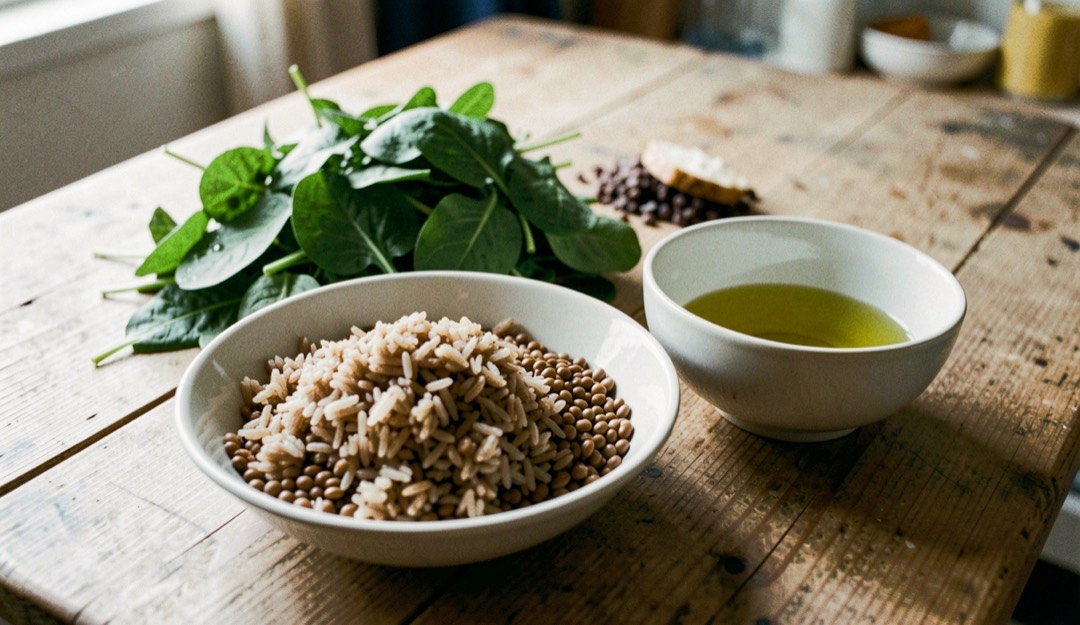
Tables and labels
Eating patterns, not miracle foods: vegetables and whole grains that carry the week, sodium hiding in ordinary packaging, and labels read line by line.

The notebook
The editor's bench: why this magazine writes about the heart in plain words, how sources are chosen, what gets corrected, and what the glossary will cover next.
Recently published
Guides and glossary sheets in order of publication, newest first.
Journal
The first signs of hip dysplasia in a shepherd are often subtle: a dog that rises slowly after rest, shifts weight off a back leg, or bunny-hops when it runs.
Sleep & stress
A family constellation seminar is a group session in which one participant sets up people, called representatives, to stand for members of their family.

Prevention
Sweating is the body's cooling system, and it works the same way in everyone.
Journal
Collie eye anomaly is a genetic condition that affects the back of the eye in many herding breeds.
Prevention
Prevention works best when it starts early and keeps going.
Heart basics
How adult, paediatric and neonatal breathing circuits differ, why heated wire circuits still collect condensation, and how a circle system clears carbon
Prevention
A council needs assessment is a free conversation about how you live day to day and what would make that easier.
Prevention
Bring a photo ID, your insurance card, a list of your medicines and doses, and any records from your last clinician.
Sleep & stress
A silent retreat is a stretch of days, often a weekend, spent at a retreat house with little or no talking, a simple daily timetable, and meals eaten without conversation.
Pages to keep close
These pages stay useful after the next issue: they are written as reference points, revisited when the surrounding guidance changes, and kept close for ordinary questions.
Cardio glossary
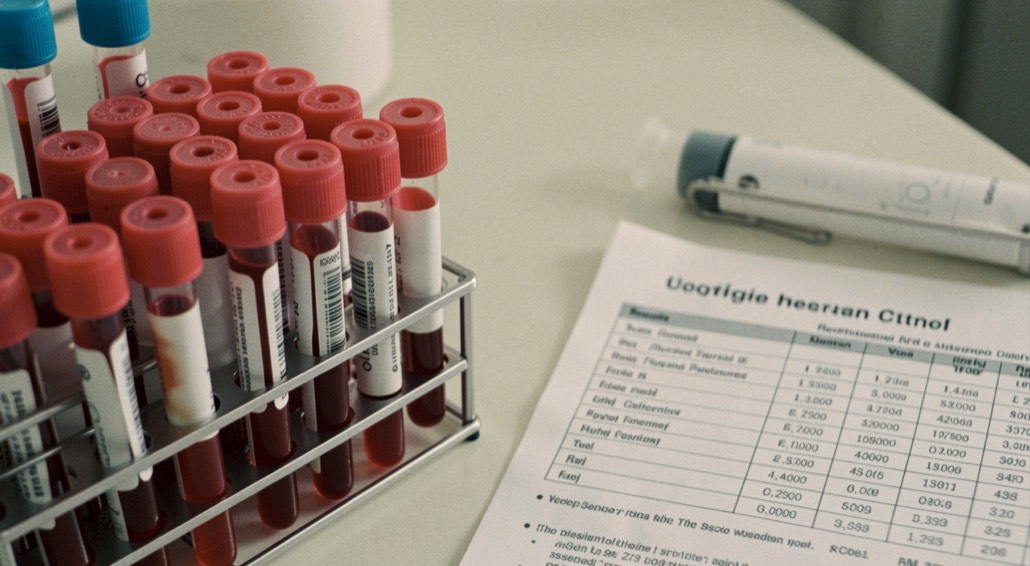
A clear explanation of cholesterol as a useful building block, the particles that carry it, and why a lipid panel makes more sense when its fractions are read together.
Prevention
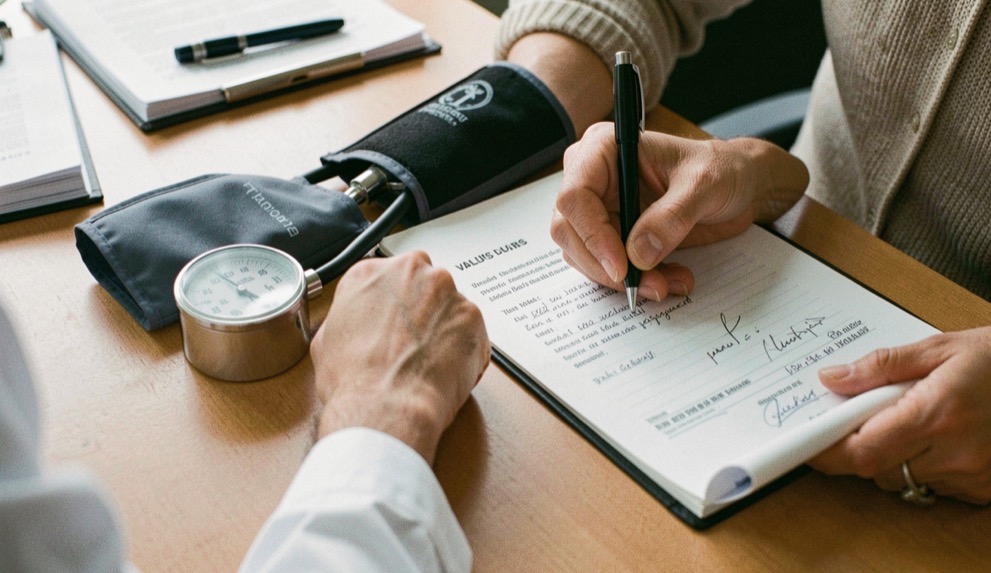
A practical dashboard for blood pressure, cholesterol, glucose, and pulse, showing what each measurement describes and why no single number tells the whole story.
Movement
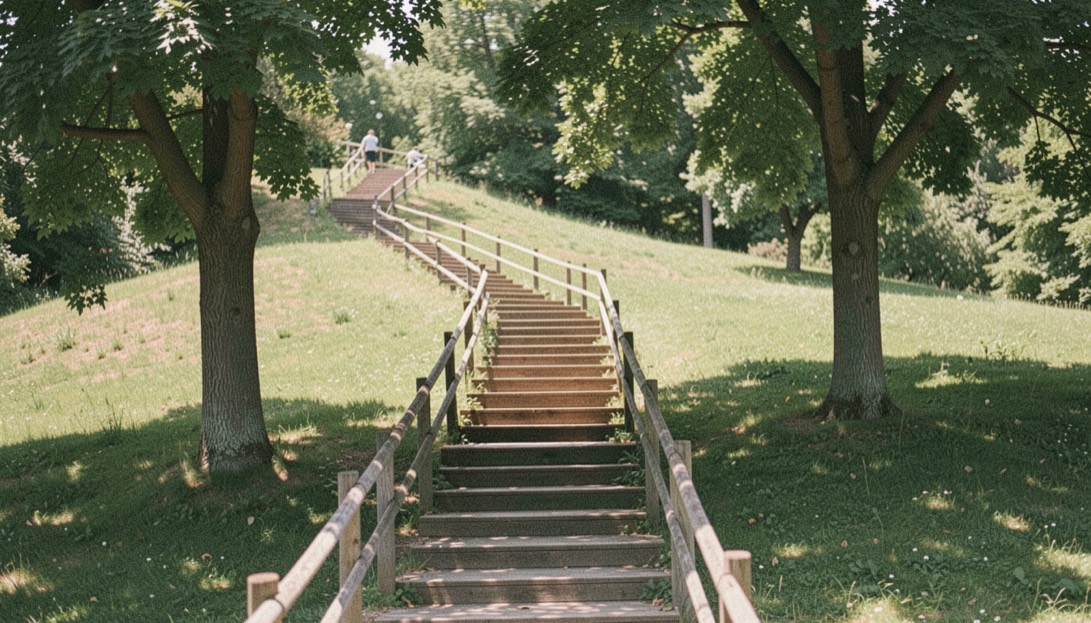
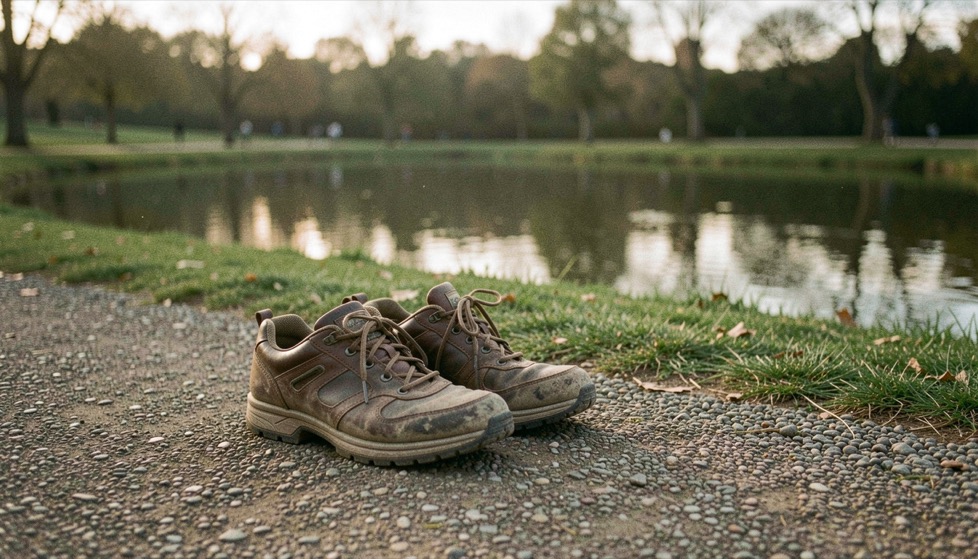
A grounded guide to collecting moderate activity through walking, with honest attention to pace, shoes, routes, weekly totals, and the first manageable ten minutes.
Sleep & stress
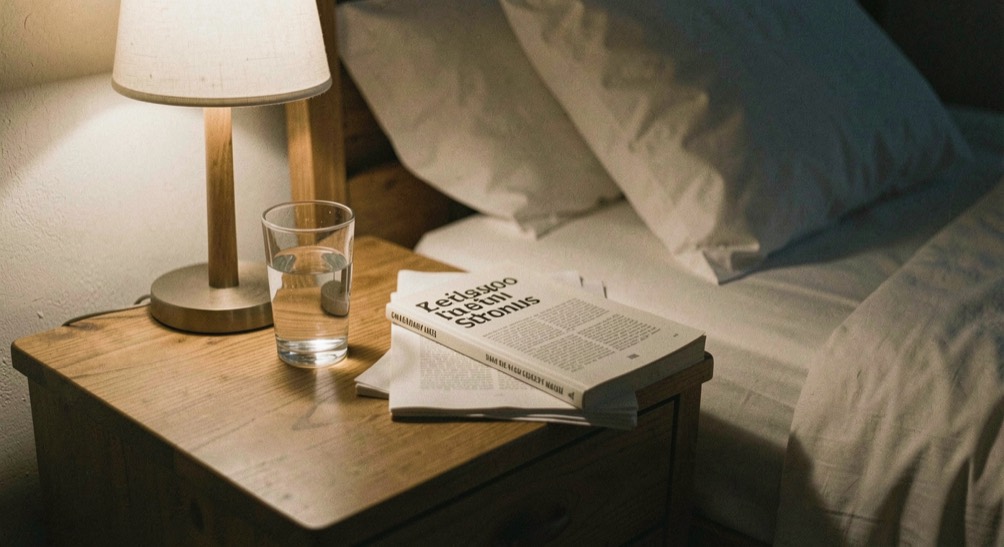
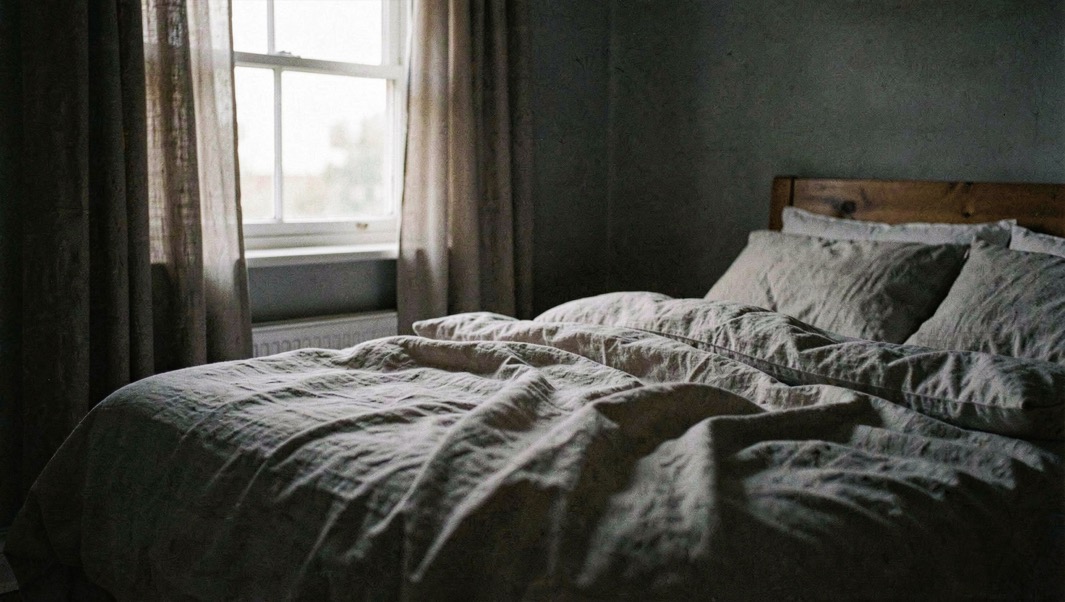
A calm account of why deep sleep matters to blood pressure and recovery, and how a regular night can become realistic without turning rest into another performance.
Movement
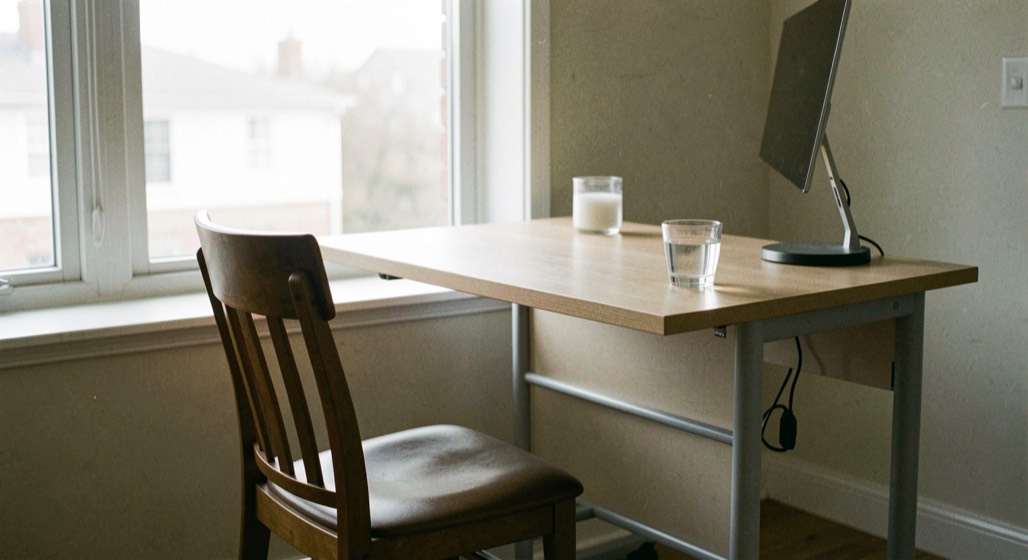
A useful distinction between one planned workout and the long hours around it, with small ways to interrupt sitting that can survive a crowded ordinary day.
Reading paths
Three focused readings extend the magazine's recurring questions into different languages and everyday settings.
Sleep & stress
Une publication indépendante à découvrir en complément de nos pages.
Sleep & stress
Une publication indépendante à découvrir en complément de nos pages.

Sleep & stress
Une publication indépendante à découvrir en complément de nos pages.
Further reading
Two publications in other languages, and one page of this journal, take up the same everyday questions in their own words.
Sleep & stress
Une publication indépendante à découvrir en complément de nos pages.
Sleep & stress
Une publication indépendante à découvrir en complément de nos pages.
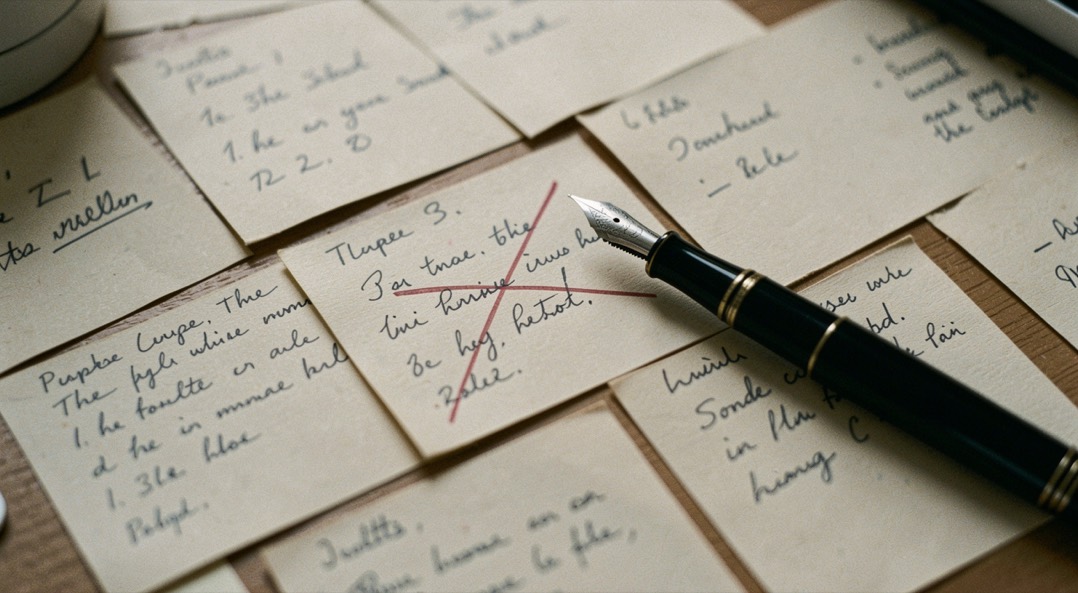
Other desks, same questions
Three publications in other editorial rooms take up questions that sit at the edge of this magazine's pages.
Sleep & stress
Une publication indépendante à découvrir en complément de nos pages.
Sleep & stress
Une publication indépendante à découvrir en complément de nos pages.

Sleep & stress
Une publication indépendante à découvrir en complément de nos pages.

The signature resource
The words that travel from clinic to news to dinner table, each defined in a sentence you can carry home, with two entries grown into full sheets.
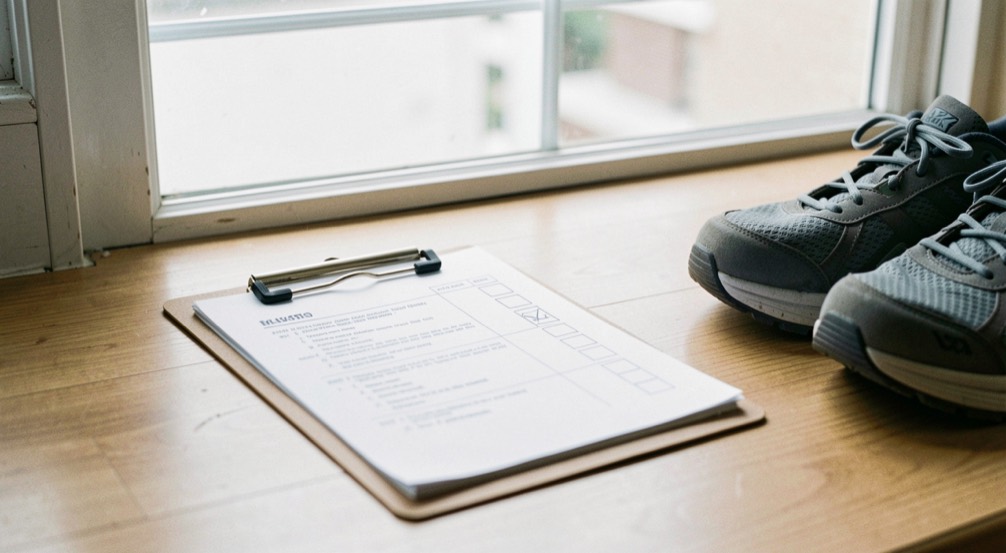
Pin it to the door
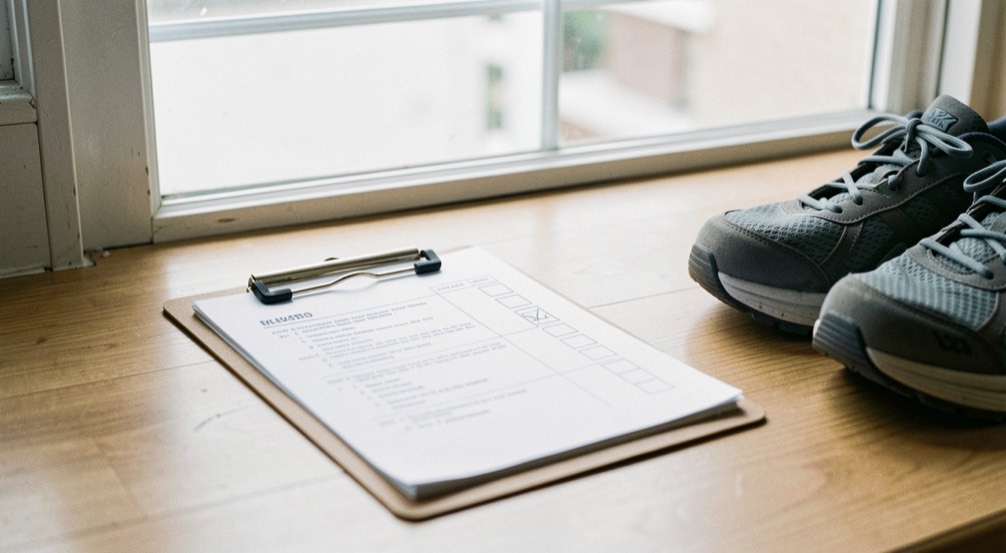
Everything this magazine covers, compressed into ten honest lines with room to tick, one page to print or photograph, and a clinician column that stays a clinician column.
Ten lines, no miraclesThe magazine itself