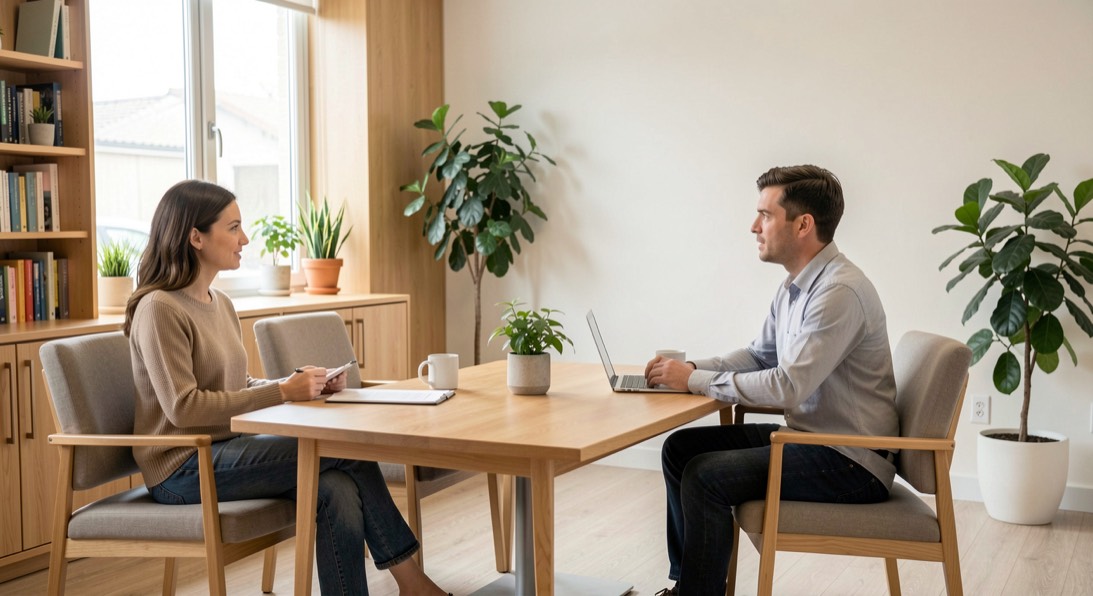
The other side of exercise · Movement
Sitting less, moving more, every single day
A morning workout does not neutralize nine seated hours. Sedentary time is its own variable, and the fix is smaller and stranger than another gym session.
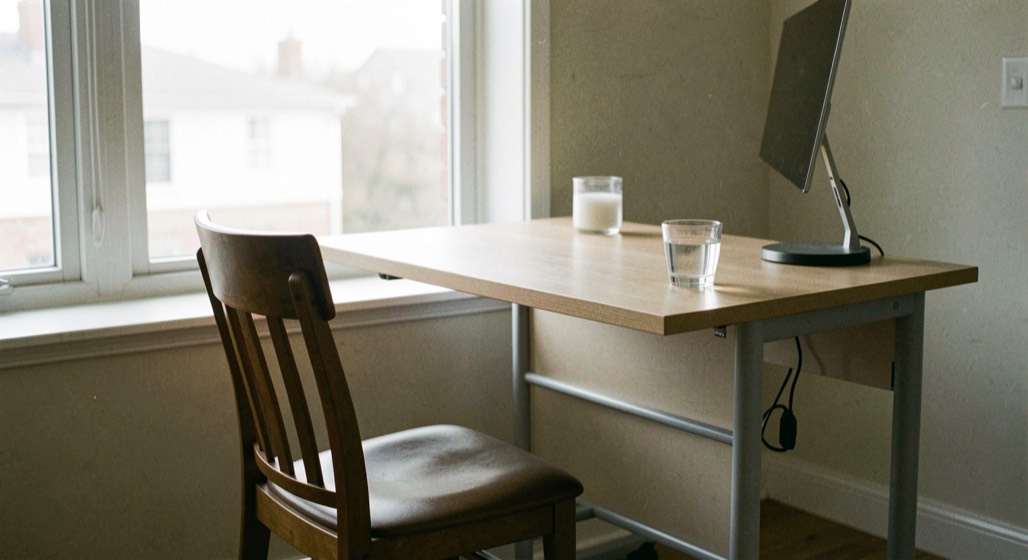
There is a quiet idea buried in the activity guidance, easy to miss: sedentary time counts as its own variable, separate from exercise. A person can complete a morning run and still spend nine mostly seated hours, and the research vocabulary has a name for this pattern, the active couch potato. The WHO guidance explicitly adds a sentence about reducing sedentary time and replacing part of it with movement of any intensity. This page is about that sentence.
Why long sits are the problem, not chairs
Muscle is not just movement machinery; it is metabolic machinery. Large muscles in the legs consume fuel and help regulate what circulates, and when they are switched off for hours, that regulation idles. The practical takeaway from decades of observational research is about pattern more than total: long, unbroken stretches of sitting look worse than the same hours chopped by ordinary interruptions. Getting up for water, for a colleague, for a printout, is not wasted time; it is the mechanism.
Movement snacks, the unheroic fix
Researchers informal term, movement snacks, describes short bouts of activity scattered through the day: two minutes of stairs, a calf stretch while the kettle boils, walking during part of a phone call. None of these trains anything visibly, and that is not their job. Their job is to keep the switch flipping, dozens of times, between sitting and not. For many desk workers, the difference between a stiff afternoon and a tolerable one is three or four of these episodes, spaced every forty five minutes or so.
Rewriting a deskbound day
- Put the water out of reach on purpose; thirst becomes a scheduled reason to stand.
- Take calls standing or pacing when the camera allows; phone meetings are walking meetings in disguise.
- Use the far printer, the far bathroom, the stairs to the other floor; inconvenience is the feature.
- Fold movement into transitions: stand when a meeting ends, before opening the next tab, at each chapter of a report.
What about standing desks
Standing stations help mainly by making alternation easy, and the evidence is unromantic: standing still for hours is its own static load, on veins and on the lower back. The useful version is a height adjustable surface used to change position often, sit, stand, walk, sit again, rather than a monument to permanent standing. The same honesty applies to trackers and their reminders: a vibrating wrist improves a day only when the wrist obeys.
The best posture is the next posture: the body prefers change to any single correct position.
Sedentary time and the weekly activity totals are two halves of one habit, and the walking guide covers the other half: how brisk minutes accumulate to the 150 to 300 the guidance describes. Neither half requires heroics, which is the recurring theme of the prevention steps page, and both appear as single lines on the everyday heart checklist. Age and conditions bend the specifics: for bodies with pain, fatigue or illness in the picture, the plan is written with a clinician, and every small interruption still counts on the way there.
Time at a desk is where habits gather. reading a DNA test for collie eye anomaly shows what a genetic result says and what it does not, small habits that fit a working day lists what helps when the week fills up, and choosing fabrics that hide sweat takes on a question most readers recognise.
Public sources cited on this page
Where to read next
- Walking for heart healthThe guidance says 150 to 300 minutes of moderate activity a week, and walking is the cheapest way to collect them.
- How the heart works, explained simplyA muscle the size of a closed fist moves blood through about one hundred thousand beats a day.
- Glossary sheet: blood pressureThe term blood pressure defined in one page of the signature glossary.
- The everyday heart checklistTen lines that compress every habit this magazine explains.