
The night shift · Sleep & stress
Sleep and heart health, without the drama
During deep sleep, blood pressure drifts to its lowest point of the day. What regular sleep does for the heart, and how seven hours becomes realistic.
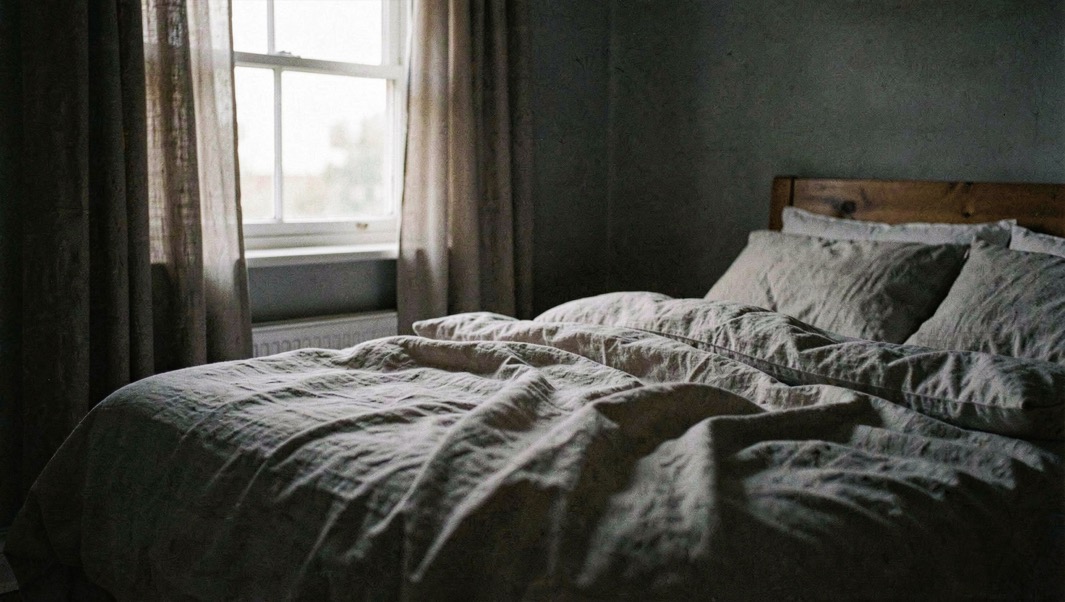
Sleep occupies a strange place in heart advice: everyone grants it a polite sentence, between diet and exercise, before returning to the menu. Yet some of the most tidy physiology happens at night. Blood pressure normally dips to its lowest point of the day during deep sleep, a rhythm researchers call nocturnal dipping, and the heart rate settles with it. A habitually short or broken night quietly flattens that recovery window.
What the studies say, modestly
Population studies keep finding the same shape: adults who habitually sleep less than about seven hours show, on average, higher rates of hypertension, coronary disease and stroke, and the associations persist after statistical adjustment for the obvious companions of short sleep, such as stress and shift work. Association is not a verdict about one sleeper, and this magazine treats it as direction rather than sentence. The CDC's recommendation is plain: most adults need at least seven hours, kept as regularly as life allows.
The habits that actually build sleep
Sleep specialists describe sleep less as a performance than as a rhythm, and the habits that protect it are unglamorous. A steady wake time, including weekends, anchors the circadian clock more than any evening ritual. Morning light, a walk before ten as the walking guide keeps suggesting, sets the same clock from the other side. Caffeine has a long tail: half of a morning coffee is still circulating at dinner. Alcohol shortens the time to sleep but fragments the second half of the night. And screens matter less for their light than for their grip: the remedy is a closing time, not a color filter.
- Fix the wake time first; bedtime follows the sleep pressure it creates.
- Keep the bedroom dark, quiet and cool; a fan solves two of those at once.
- Give the last hour a rim: dimmer lights, slower inputs, a page instead of a feed.
- If sleep will not come after about twenty minutes, get up, do something dull in low light, return sleepy.
The complaint that belongs to medicine
One sleep problem outranks the rest in cardiology clinics: sleep apnea, the repeated collapse of the airway that chops the night into micro awakenings. Its public signature is loud snoring with pauses reported by a partner, waking unrefreshed despite enough hours, and daytime sleepiness that survives good habits. It is common, underdiagnosed, and treatable, and no article can screen for it: a clinician decides whether a sleep study is warranted. Persistent insomnia likewise has effective, structured treatments, and they are not this page's bullet points.
Sleep is not the reward for a productive day; it is part of what makes the next one survivable.
Sleep also closes a loop with the other quiet influence on the heart: stress, which colonizes exactly the evenings sleep needs, as the stress and the heart page describes. Both sit on the prevention steps list with one line each, and both appear on the everyday heart checklist as habits to tick, because heart health is mostly built in the hours nobody applauds. If nights have been short for years, the honest first step is a conversation with a clinician rather than a new pillow.
Sleep is one of the body's quiet repairs. what the studies say about the method looks at the evidence on family constellations, sober living and residential care compares two settings in addiction treatment, and how an OFA hip score is read explains the hip screening breeders use.
Questions readers actually ask
How many hours do adults actually need?
Public bodies such as the CDC recommend at least seven hours per night for most adults, with consistency counting nearly as much as duration. The precise need varies between people, but habitually sleeping much less than seven is the pattern associated in studies with higher cardiovascular risk.
Can you catch up on sleep at the weekend?
Partially. Sleeping later after a short week restores some measure of alertness, but the circadian rhythm prefers regularity over compensation, and weekend shifts make Monday mornings harder. Protecting a steady window on weeknights does more than late weekend mornings.
When is snoring a reason to see a doctor?
Loud, habitual snoring, especially with witnessed pauses in breathing, waking unrefreshed or daytime sleepiness, deserves a medical conversation: those are the classic signals of sleep apnea, a condition with effective treatments that a clinician must evaluate.
Public sources cited on this page
Where to read next
- Stress and the heart, in plain termsStress does not break a heart in a single afternoon, and it is not harmless either.
- Starting breath meditationStart breath meditation by sitting upright on a chair or cushion, letting the breath come and go on its own, and counting each exhale from one to ten.
- Glossary sheet: blood pressureThe term blood pressure defined in one page of the signature glossary.
- The everyday heart checklistTen lines that compress every habit this magazine explains.