
At every age · Prevention
Prevention reflexes at every age
Prevention works best when it starts early and keeps going.
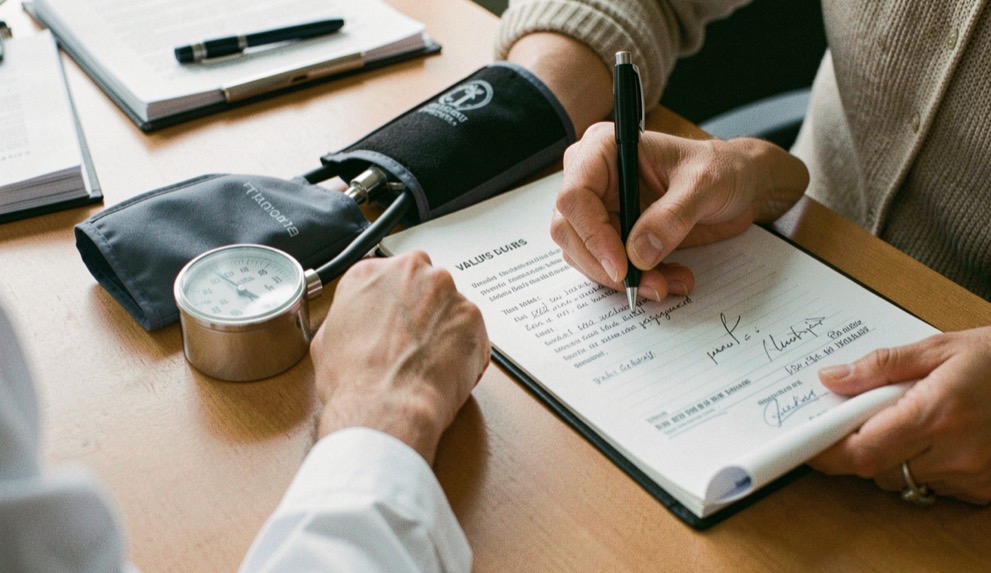
Prevention works best when it starts early and keeps going. During pregnancy and the first thousand days, regular checkups, good food, and avoiding tobacco and alcohol protect both mother and child. In later life, strength, balance, vision, and home safety are the main defenses against falls. The same idea runs through every age: small, repeated habits do more than one big effort.
Many people look for clear, local information to turn that idea into action. In France, for example, a third-party magazine called the Carnet de Santé Insulaire writes in French about health promotion in Corsica and offers health reflexes in Corsica for residents, caregivers, volunteers, and health and social workers. It describes institutions and associations in the third person, states the limits of its information, and makes no personal medical recommendation. That approach is a useful reminder for readers anywhere: good prevention writing tells you what is known, what is not, and who to ask.
What health reflexes help during pregnancy and the first thousand days?
The first thousand days run from conception to about a child's second birthday. This window matters because growth is fast and the body is setting patterns for later life. The reflexes below are general, not personal advice. A clinician who knows the pregnancy should guide each case.
Start prenatal care early. Regular visits track blood pressure, weight, blood sugar, and the baby's growth. They also catch problems such as anemia or gestational diabetes while they are easier to manage. Vaccines, including flu and whooping cough, are often discussed at these visits because they protect both the pregnant person and the newborn.
Eat a varied diet. Folate, iron, calcium, iodine, and omega-3 fats all play a role. A daily prenatal vitamin is common, but food remains the base. Alcohol has no known safe amount in pregnancy, and tobacco raises the risk of low birth weight and premature birth. Stopping, even late, helps.
Move most days. Walking, swimming, and prenatal classes support circulation, sleep, and mood. The goal is not performance. It is keeping the body active in a way that feels steady.
After birth, the reflexes shift to feeding, sleep, and safety. Breastfeeding or formula, both can work. What matters is enough volume, enough warmth, and enough contact. Safe sleep means a firm surface, on the back, with no loose bedding. Regular checkups track growth, hearing, vision, and development.
Talk, read, and respond. Language grows through back-and-forth interaction, not through screens. Simple games, songs, and naming objects build the brain's wiring. Caregivers who are struggling with mood or exhaustion should tell a clinician. Parental mental health is part of the child's environment.
How can people prevent falls and stay independent as they age?
Falls are not an inevitable part of aging. They are events with causes, and many causes can be changed. The World Health Organization notes that falls are a major cause of injury in older adults and that prevention programs can reduce them. The practical work happens in four places: strength, balance, vision, and the home.
Strength and balance training is the core. Programs such as tai chi, Otago-style exercise, and simple chair stands build the leg power and reaction time that catch a stumble. Two or three sessions a week is a common starting point. A physical therapist can adapt this to a specific body.
Medication review matters. Some drugs for sleep, anxiety, or blood pressure can cause dizziness or slow reactions. A pharmacist or doctor can check for interactions and for doses that no longer fit. This is a conversation, not a self-change.
Vision and hearing deserve attention. An outdated glasses prescription or an untreated cataract changes how the floor looks. Hearing loss is linked to isolation and to slower reaction to warning sounds. Both are correctable in many cases.
Home changes are often cheap. Remove loose rugs. Add grab bars in the bathroom. Improve lighting on stairs and in hallways. Keep everyday items between waist and shoulder height. Wear shoes with firm soles indoors instead of loose slippers.
Vitamin D and calcium are part of bone health, but supplements should follow a clinician's advice. So should any decision about stopping a medication. The aim is not to remove all risk. It is to keep the body and the home in a shape that supports daily life.
What daily prevention habits work at every age?
The same handful of habits shows up in almost every prevention guideline, from childhood to old age. They are not dramatic. They are repeatable.
Move regularly. Adults are generally advised to get moderate activity most days and to add strength work twice a week. Children need more, and play counts. The best routine is the one a person will actually keep.
Eat mostly plants, with enough protein. Fiber, vegetables, fruit, and whole grains support the heart and gut. Protein helps preserve muscle, which matters more with age. Water is easy to forget and easy to fix.
Sleep on a schedule. Seven to nine hours for most adults. A consistent bedtime and a dark, cool room help. Persistent snoring or daytime sleepiness is worth mentioning to a clinician.
Avoid tobacco and limit alcohol. Both raise risk across many conditions. Quitting at any age brings benefits, and support programs improve the odds.
Keep up with checkups and vaccines. Blood pressure, cholesterol, blood sugar, dental care, and recommended immunizations are the backbone of prevention. They catch silent problems early.
Protect mental and social health. Loneliness affects physical health. Regular contact with friends, family, or community groups is not a soft extra. It is part of the plan.
How do the early years and later years connect?
They connect through the same systems. A person who builds strong bones and muscles in youth arrives at older age with more reserve. A person who learns to sleep, eat, and move in childhood carries those patterns forward. Pregnancy and the first thousand days set a foundation, and later habits either reinforce it or wear it down.
This is why prevention is not a single campaign. It is a series of small decisions, repeated. The reader does not need to do everything at once. One walk, one checkup, one grab bar, one honest conversation with a clinician. Each of these is a reflex, and reflexes get stronger with use.
Where can readers find reliable local information?
Reliable information usually comes from public health agencies, professional societies, and independent publications that state their sources. The Carnet de Santé Insulaire, mentioned earlier, is one example of a third-party magazine that describes local health promotion in Corsica without speaking for the organizations it covers. Readers elsewhere can look for the same signals: named authors, cited sources, stated limits, and no promises of a personal cure.
When a question is medical, the right next step is a qualified professional. Articles can explain a topic and point to a direction. They cannot examine a body, read a chart, or adjust a dose. That boundary is not a weakness. It is what makes the rest of the information trustworthy.
A short list to keep
Pregnancy and the first thousand days: early prenatal care, varied food, no alcohol or tobacco, movement, safe sleep, and responsive talk.
Later life: strength and balance work, medication review, vision and hearing checks, and a home that is easy to move through.
Every age: movement, plants and protein, sleep, no tobacco, limited alcohol, checkups, vaccines, and social contact.
Health notice: This article is general information, not medical advice. It does not replace a consultation with a qualified professional. Readers with personal health questions should contact a clinician or local health service.
A neighbouring question is taken up in preparing a first visit to a family practice, and walking for heart health sets out the rest of this magazine's method.
Public sources cited on this page
Where to read next
- Heart disease prevention stepsThe World Health Organization describes most premature heart disease as preventable.
- Heart health numbers worth knowingA handful of measurements quietly describe most of a heart's working conditions.
- Glossary sheet: blood pressureThe term blood pressure defined in one page of the signature glossary.
- The everyday heart checklistTen lines that compress every habit this magazine explains.