
A felt beat · Heart basics
Your pulse, explained in plain words
You can feel the heart's work from the outside, at the wrist or the neck. What that tap of blood actually tells you, and what it does not, in plain words.
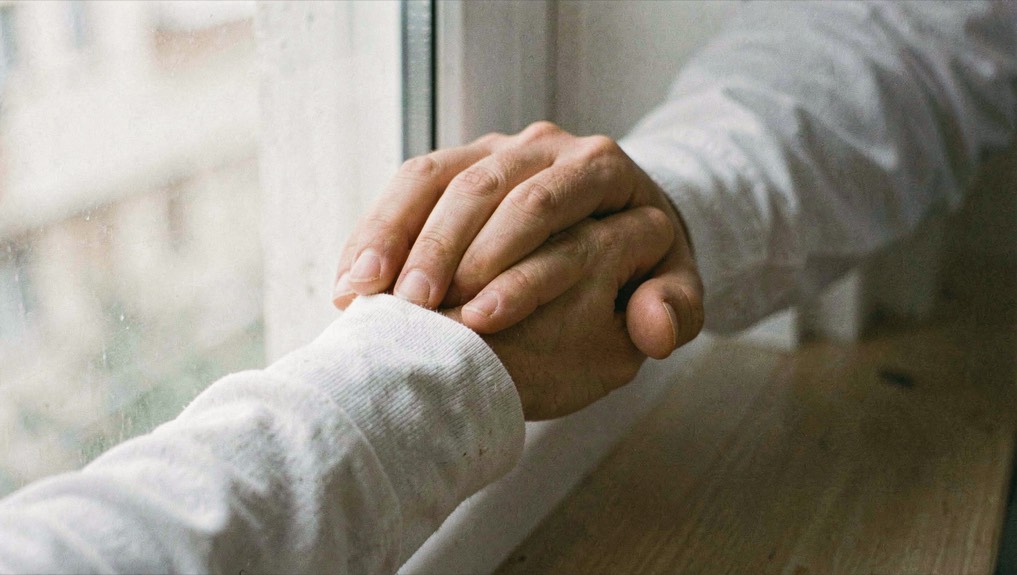
Each time the left side of the heart squeezes, it pushes a surge of blood into the arteries. That surge travels outward, and where an artery runs close to the skin and over a firm surface, you can feel it as a gentle tap: the pulse. It is the most direct contact any of us has with the pump described in how the heart works, and it costs nothing to learn to find it.
Where to feel it and how to count
Two spots are classic. The wrist, on the thumb side, pressed lightly with two fingertips of the other hand. The neck, just beside the windpipe and below the jaw, pressed more carefully and only on one side at a time. Count the taps for thirty seconds and double the result, or count a full minute for a calmer figure. Rest for a few minutes first: climbing the stairs to find the stopwatch will change the number you read.
Public health bodies such as the American Heart Association describe a typical adult resting pulse as somewhere between roughly sixty and one hundred beats per minute. It is a wide band on purpose. The rate sits differently from person to person, and within one person it moves all day: slower during deep sleep, faster after coffee, faster still during a fever or a difficult conversation.
What a lower resting rate means, and what it does not
Regular endurance training tends to lower the resting heart rate. A muscle that is stronger squeeze for squeeze can do the same work with fewer beats, which is why a long distance runner may sit in the fifties or below without anything being wrong. Age, medication, fever, stress, sleep debt, hydration and thyroid function all pull the number up or down. This is the key point for a general reader: a single resting reading is a snapshot of many overlapping causes, not a score.
A pulse is a window, not a verdict. It shows the moment, not the whole house.
The rhythm matters as much as the count
When clinicians listen to a pulse, they care about more than speed. Is it regular, like a clock, or does it stumble and race? A rhythm that occasionally skips is common and often benign, but a rhythm that feels chaotic, or comes with fainting, chest discomfort or breathlessness, is a reason to see a professional promptly rather than to keep counting at home. This magazine will never sort those cases, because no article can: they need an electrocardiogram and a person who reads it.
Using the pulse well: three honest habits
- Learn your own ordinary range at rest, on quiet mornings, rather than comparing it to a stranger on a forum.
- Use it as an effort gauge while walking: at a brisk, heart friendly pace you can talk but not comfortably sing.
- Write down what surprises you, with the date, and bring the note to an appointment instead of acting on it alone.
If you track a number over weeks, the trend tells you more than any single day, and it is exactly the kind of observation a clinician can use. For the pressures and the blood values that no fingertip can reach, the piece on heart health numbers worth knowing explains what each family of numbers describes, and the blood pressure entry in the glossary covers the most measured of them all. For everything that turns a habit into a routine, the walking guide explains how moderate effort accumulates across a plain week. Readers who carry an implanted device, or share a kitchen with someone who does, will find the same plain treatment in our piece on pacemakers and everyday electronics, where the real precautions turn out shorter than the rumors.
A pulse is one reading among many. preparing a first visit to a family practice gathers what to bring and what to ask, supported living in England explains assessments, budgets and housing, and how ventilator breathing circuits differ looks at the tubes that carry air in hospital.
Public sources cited on this page
Where to read next
- How the heart works, explained simplyA muscle the size of a closed fist moves blood through about one hundred thousand beats a day.
- Pacemakers and Everyday ElectronicsMost household electronics are safe around an implanted device.
- Glossary sheet: blood pressureThe term blood pressure defined in one page of the signature glossary.
- The everyday heart checklistTen lines that compress every habit this magazine explains.